How Long Before Spray Foam Overspray Becomes Hard to Remove?
The single biggest factor in how easy overspray is to remove isn't the surface it landed on — it's how much time has passed since it landed.
The Timeline, Roughly Speaking
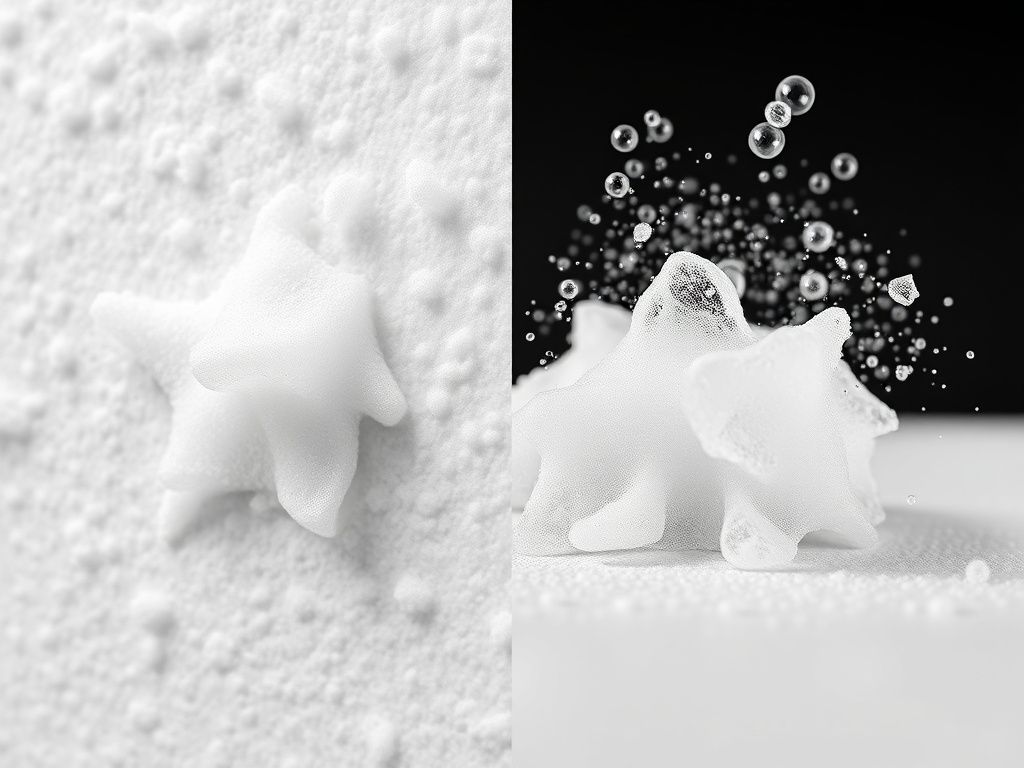
Spray polyurethane foam leaves the gun as a liquid mix that reacts on contact with the surface it lands on. Within seconds to a couple of minutes, it starts expanding and rising into the familiar rigid foam texture. Within roughly 30 to 60 minutes, most SPF products reach a workable rigid state — firm enough to trim or sand on the intended job surface. Full chemical cure, where the material reaches its final hardness and adhesion strength, typically continues over the following 24 hours, though the practical difference for overspray removal purposes is mostly set within that first hour or so.
What that means for overspray specifically: the window where foam is still soft, tacky, and genuinely easy to lift or wipe away is short — often measured in minutes, not hours. Once it's past that window and into its rigid state, you're dealing with mechanical removal — scraping, clay, solvents — rather than a simple wipe-off, for every surface on this site.
- Seconds to minutes: liquid droplet starts expanding into foam
- ~30-60 minutes: reaches a firm, rigid state — the practical cutoff for easy removal
- ~24 hours: full chemical cure and maximum adhesion strength
Why the First Hour Is Worth Acting On, If You Can
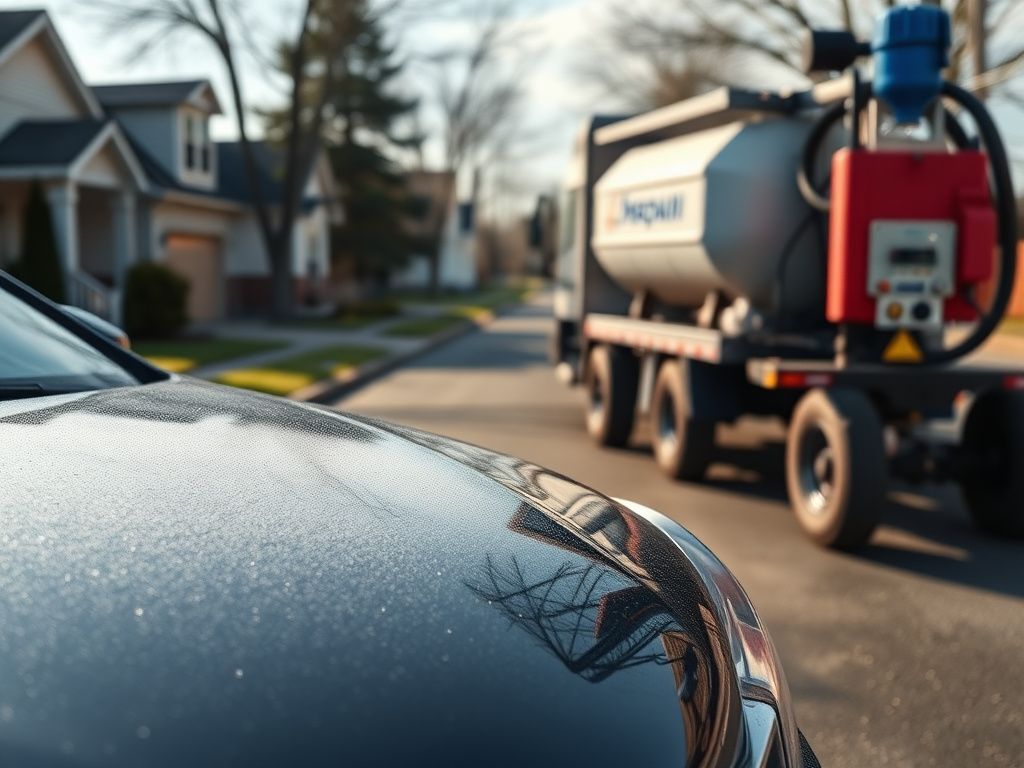
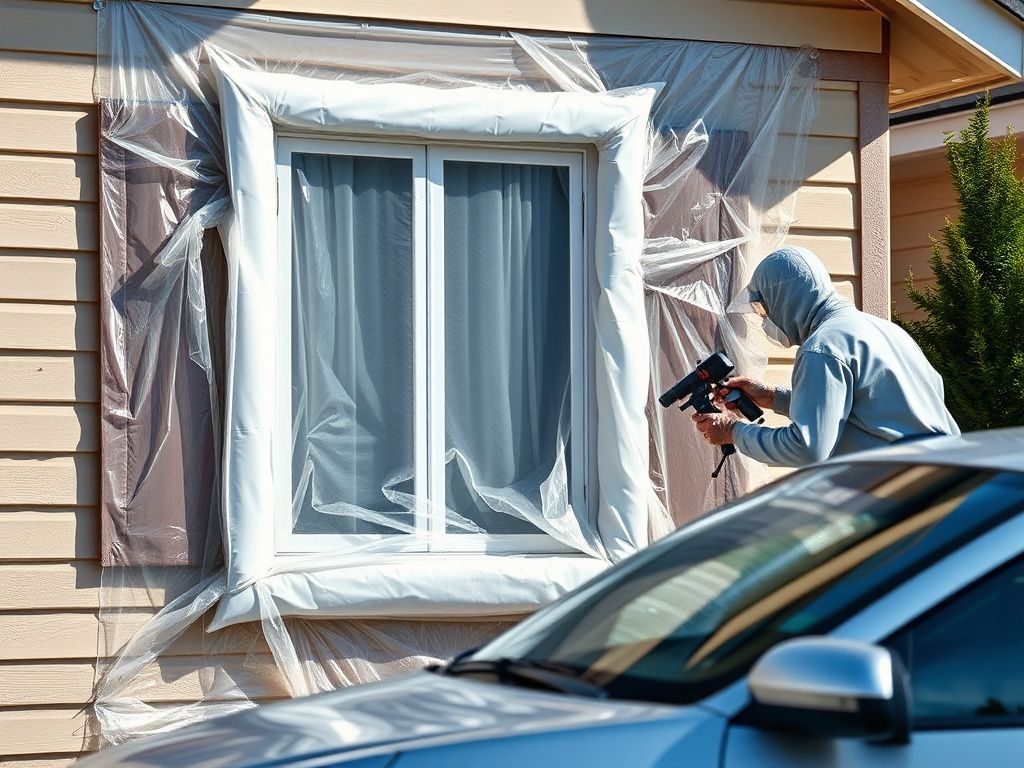
If you're on-site or notified while a spray job is actively happening nearby and you notice drift landing on a car, window, or plants, that first narrow window is genuinely valuable — a damp cloth or a garden hose can remove a meaningful amount of still-soft material that would otherwise require scraping and solvents an hour later. This is especially true for landscaping and plants, where cured foam on a leaf generally doesn't come off intact at all, making that first-hour window the difference between a rinse and a pruning job.
For hard surfaces — car paint, glass, siding, concrete — the same logic applies but with lower stakes, since those surfaces have real removal methods even after full cure. It's still true that fresh overspray removes with less effort and lower risk of surface damage than overspray that's had days or weeks of UV exposure and thermal cycling to bond in fully.
Does It Ever Get 'Too Late'?
Not in the sense that removal becomes impossible — every surface covered on this site has a real removal path even for overspray that's been sitting for weeks or months. What changes over time is difficulty and risk, not feasibility. Older, fully-weathered overspray on a car generally needs a more aggressive clay bar pass with a higher chance of needing a machine polish afterward. Older overspray on stucco is more likely to have locked into the texture deeply enough that a patch beats continued scraping. Older overspray on plants that's fully bonded to foliage is a pruning job regardless of exactly how old it is, since fresh-vs-cured is really a binary for living material rather than a sliding scale.
The practical takeaway: there's no reason to panic if overspray has been sitting for a while — it's not a lost cause — but there's also no advantage to waiting once you've noticed it. Sooner is easier, safer for the surface, and often cheaper, every time.
Frequently asked questions
Yes — every surface covered on this site has a real removal path for fully cured foam, even weeks or months old. It generally requires a more thorough clay bar or scraping process than fresh overspray would, and possibly a machine polish afterward, but it's not a lost cause.
Most SPF reaches a firm, rigid state within roughly 30 to 60 minutes of landing, with full chemical cure continuing over about 24 hours. The practical window for easy, low-effort removal is much shorter than that — often just minutes.
If it's still soft or tacky, yes — a damp cloth can lift meaningful amounts of fresh material quickly. If it's already hardened, there's no need to rush; take the time to do it correctly rather than reaching for the fastest, most aggressive tool available.
Ready for a free quote?
Tell us about your overspray situation and we'll build a clear quote for professional removal.