Spray Foam Overspray Removal from Siding
Siding overspray usually happens on a neighboring wall or an adjacent section of the same house during roofline or attic spray work, where wind carries droplets sideways across a panel run. The removal approach depends heavily on which siding material you have — vinyl and fiber-cement behave very differently under heat, solvents, and mechanical pressure, and treating one like the other is a common way to trade a foam problem for a melted or gouged siding problem.
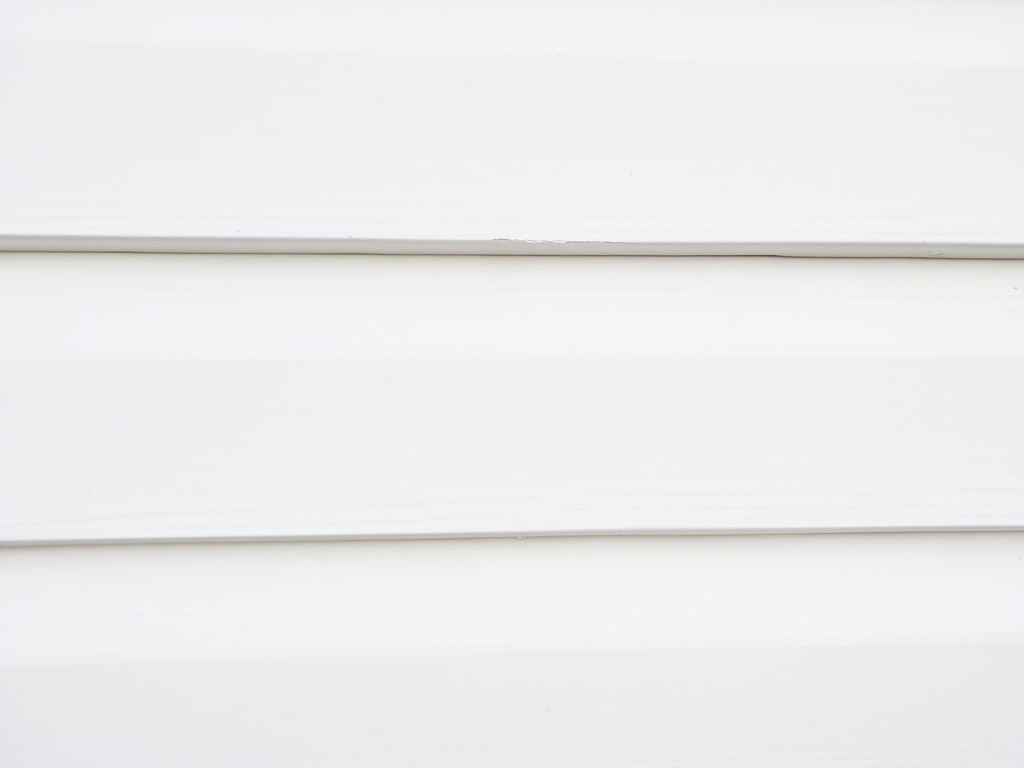
Vinyl Siding: Heat Is the Main Hazard
Vinyl siding is a rigid PVC product, and PVC softens and distorts at temperatures well below what a heat gun or even strong summer sun on a dark panel can produce. That makes heat guns — a common softening trick on other surfaces — a real risk on vinyl, since overheating a panel to soften stubborn foam can leave a permanent wave, dent, or discoloration in the vinyl itself, which is a far more visible problem than the overspray was.
The safer path on vinyl is mechanical: a plastic scraper or putty knife worked at a shallow angle to lift cured droplets, followed by a citrus-based or mineral-spirits solvent applied to a cloth (not poured directly onto the panel) to soften and wipe away any residual film. Avoid acetone and lacquer thinner on vinyl specifically — both can attack the PVC surface itself, causing dulling, softening, or discoloration that doesn't reverse.
- Skip the heat gun — vinyl softens and distorts at surprisingly low temperatures
- Plastic scraper first, shallow angle, working with the panel's natural lines
- Citrus-based cleaner or mineral spirits on a cloth for residual film
- Avoid acetone and lacquer thinner directly on vinyl
Fiber-Cement Siding: More Tolerant, But Watch the Factory Finish
Fiber-cement siding (products like HardiePlank) is a cement-and-cellulose composite with a painted or factory-finished surface. It tolerates more mechanical pressure and heat than vinyl without structural damage, but the factory paint finish itself can still be scuffed, scratched, or dulled by an overly aggressive scraper or a stiff wire brush.
A plastic scraper is still the right first tool, but fiber-cement can generally handle a slightly firmer touch and, if needed, a low-heat setting to soften stubborn foam without the same distortion risk vinyl carries. Solvent choice matters less here than on vinyl — mineral spirits or a dedicated foam-release solvent applied to a cloth works well for residual film — but test any solvent on a small, hidden section first, since factory paint sheens vary and some finishes are more solvent-sensitive than others.
- Handles firmer scraping and mild heat better than vinyl
- Test any solvent on a hidden section first — factory paint finishes vary
- A stiff wire brush can scuff or dull the factory finish — stick to plastic tools
Pressure Washing — Useful, With Limits
A pressure washer can help loosen and rinse away smaller, thinner overspray droplets on either siding material, but it's not a substitute for scraping thicker, fully-cured foam — water pressure alone generally won't break the mechanical bond of hardened SPF. Keep the nozzle at a moderate pressure and a reasonable working distance; too much pressure at close range can drive water behind vinyl siding panels or damage the caulking and seams around windows and doors, creating a moisture problem that's worse than the overspray.
Texture and Color Matching After Removal
Because fiber-cement siding has more surface texture than smooth vinyl, foam can occasionally leave a faint residual mark or slight sheen difference even after careful removal, especially on darker or matte-finish panels. In most cases this fades or blends after a normal weathering cycle; in cases where it doesn't, a color-matched touch-up paint is a more reliable fix than continued aggressive scraping, which risks doing more visible damage than the original overspray.
When to Call a Professional
A handful of droplets on one or two panels is a reasonable weekend project with the right tools. Widespread coverage across a full wall, overspray near window or door trim and caulking, or any situation where you're not sure whether you have vinyl or fiber-cement (the removal approach genuinely differs) are all good reasons to get a professional assessment before starting — a wrong first move on siding is much harder to undo than the overspray itself.
Vinyl & Fiber-Cement Siding overspray questions, answered
We don't recommend it. Vinyl softens and can permanently warp or discolor at temperatures a heat gun reaches easily. Mechanical scraping with a plastic tool, followed by a cloth-applied solvent, is the safer path for vinyl.
It can on vinyl, where it may dull or discolor the PVC surface. Fiber-cement generally tolerates solvents better, but test any product on a hidden section first since factory paint finishes vary.
It helps with thinner, fresher droplets but usually isn't enough on its own for fully cured foam, which needs mechanical scraping first. Keep pressure moderate — high pressure at close range can force water behind siding panels or damage caulking.
Vinyl is lightweight, slightly flexible, and sounds hollow when tapped. Fiber-cement is heavier, rigid, and sounds more solid — closer to knocking on a masonry surface. If you're unsure, treat it with the more cautious vinyl approach until confirmed, or ask us during a free assessment.
Get a Free Siding Overspray Quote
Tell us the siding material and how much of the wall is affected, and we'll give you a clear, no-pressure quote. Call 844-967-5247 or email josh@contractorschoiceagency.com.