Spray Foam Overspray Removal from Stucco
We're upfront about this one: stucco is the hardest surface on this site to fully clean, and it's worth understanding why before you spend an afternoon scraping at it. Stucco's rough, porous, textured surface is exactly what makes it a good stucco finish — and exactly what lets cured spray foam grip into it far more aggressively than it grips a smooth surface like glass or painted siding.
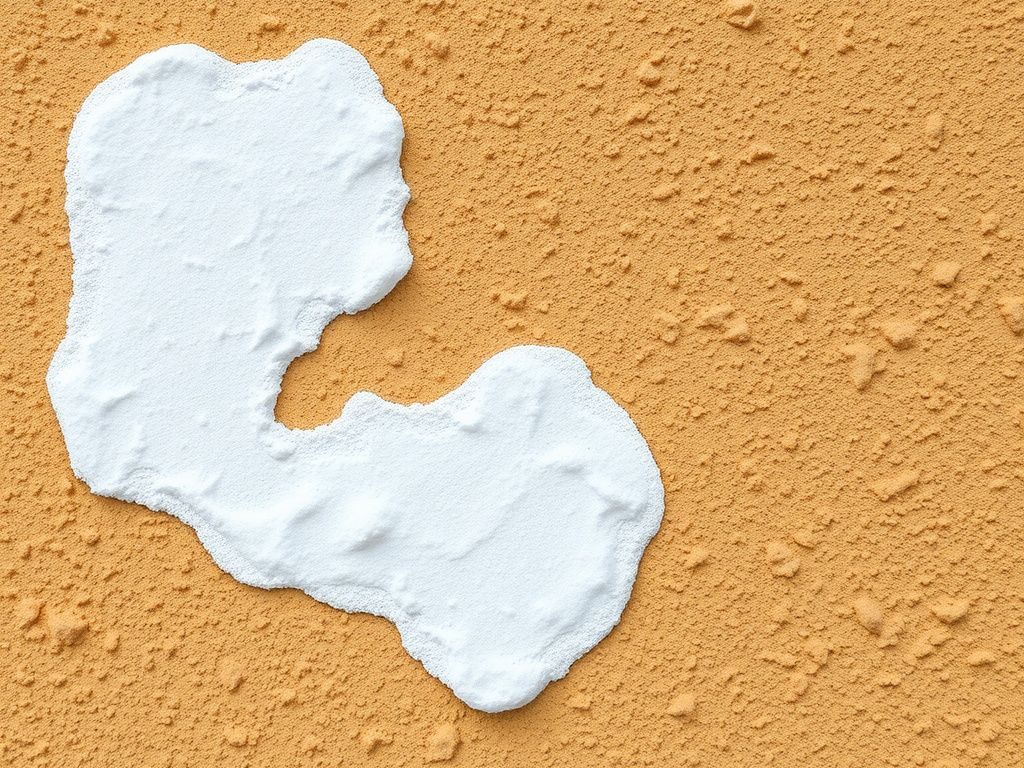
Why Stucco Is Different From Every Other Surface Here
Every other surface on this site is relatively smooth, which means overspray sits mostly on top of the material and can be lifted off without taking the surface with it. Stucco's texture — the sand, aggregate, and trowel pattern that gives it its finish — gives cured foam thousands of tiny anchor points to mechanically key into as it expands and hardens. The foam isn't chemically bonded to the stucco any more than it is to any other surface, but the mechanical grip from that texture is dramatically stronger.
That has a direct practical consequence: the amount of scraping or abrasion needed to fully lift foam out of a heavily textured stucco surface is often enough to also damage the stucco finish itself — chipping the texture, exposing the base coat color underneath a tinted finish coat, or leaving a visibly smoother, scraped patch that stands out against the surrounding texture.
- Stucco's texture gives foam far more surface area to grip into than a smooth surface
- Full mechanical removal often requires enough abrasion to also damage the texture
- Tinted or colored finish coats are especially prone to showing scrape damage as a lighter patch
What Careful Removal Looks Like
For light, isolated droplets, a plastic scraper worked gently, combined with a citrus-based or mineral-spirits solvent to soften the foam before scraping, is the right starting approach — the goal is to soften and lift rather than grind. Working in small sections and checking progress frequently matters more on stucco than on any other surface, because it's very easy to go from 'the foam is coming off' to 'the texture is coming off' without noticing the transition in the moment.
A pressure washer can help with lighter coverage, but stucco is also a surface where excessive pressure causes its own damage — driving water into hairline cracks, eroding a soft or older finish coat, or forcing moisture behind the stucco into the wall assembly. Moderate pressure, a wide fan tip, and a reasonable working distance are the safer settings here, not maximum PSI.
- Soften with a citrus-based or mineral-spirits solvent before attempting to scrape
- Work in small sections, checking constantly for texture damage
- Pressure wash at moderate settings with a wide fan tip — high PSI can drive water into the wall assembly
When a Patch Beats a Scrape
For heavier coverage, or any spot where scraping has already started to visibly alter the texture, the more realistic fix is often a small color-matched stucco patch rather than continued removal attempts. This isn't a failure of the removal process — it's a recognition that stucco's texture makes 'invisible full removal' an unrealistic goal in some cases, the same way you wouldn't try to sand a scratch out of a textured surface expecting it to disappear.
A professional assessment can tell you, before any work starts, whether a given patch of overspray is a realistic clean removal or a better candidate for a small patch-and-blend repair — which is usually both faster and less visually risky than an extended scraping attempt.
When to Call a Professional
Given how easy it is to trade a foam problem for a texture-damage problem, stucco is a surface where we'd lean toward a professional assessment more readily than for smoother surfaces like siding or concrete — especially for anything beyond a few isolated droplets, or any stucco with a tinted or colored integral finish coat where a scraped patch would be visually obvious.
Stucco overspray questions, answered
Sometimes, for light or isolated droplets, but stucco's texture makes full removal harder than on any other surface — heavy coverage often reaches a point where scraping starts damaging the texture itself, which is why a color-matched patch is sometimes the more realistic fix.
It can, especially on tinted or colored finish coats, where scraped areas can expose a lighter base coat underneath. Gentle, incremental scraping with frequent checks is safer than aggressive, continuous scraping.
At moderate pressure with a wide fan tip, yes, for lighter coverage. High-pressure, narrow-tip settings at close range can drive water into cracks or behind the stucco into the wall assembly, which is a bigger problem than the overspray.
Because stucco's texture means aggressive removal can cause more visible damage than a small color-matched patch would. It's a practical trade-off specific to textured surfaces, not a shortcut — a professional assessment can tell you which approach fits your situation.
Get a Free Stucco Overspray Assessment
We'll tell you honestly whether your stucco overspray is a clean removal job or a better candidate for a color-matched patch. Call 844-967-5247 or email josh@contractorschoiceagency.com.