Spray Foam Overspray Removal from Windows & Glass
Windows are one of the most common overspray targets simply because there are usually a lot of them, all facing the job site. The good news is that glass is a genuinely favorable surface for removal: it's hard, smooth, and non-porous, so foam sits on top of it rather than working into any texture. The bad news is that glass scratches permanently and visibly, so the technique still matters — especially on a windshield, where a scratch sits directly in your line of sight.
Why Glass Removes Differently Than Other Surfaces
Cured spray foam bonds to glass by mechanical adhesion — it grips onto microscopic surface irregularities rather than chemically bonding the way it can with a porous material like stucco or wood. That mechanical grip is real (foam is famously sticky), but because glass is completely flat and non-absorbent, the foam never gets a foothold beyond the surface itself. That's the main reason glass removal is more forgiving than removal from a textured or porous material — there's no texture for the foam to lock into.
Scraping — the Primary Removal Method
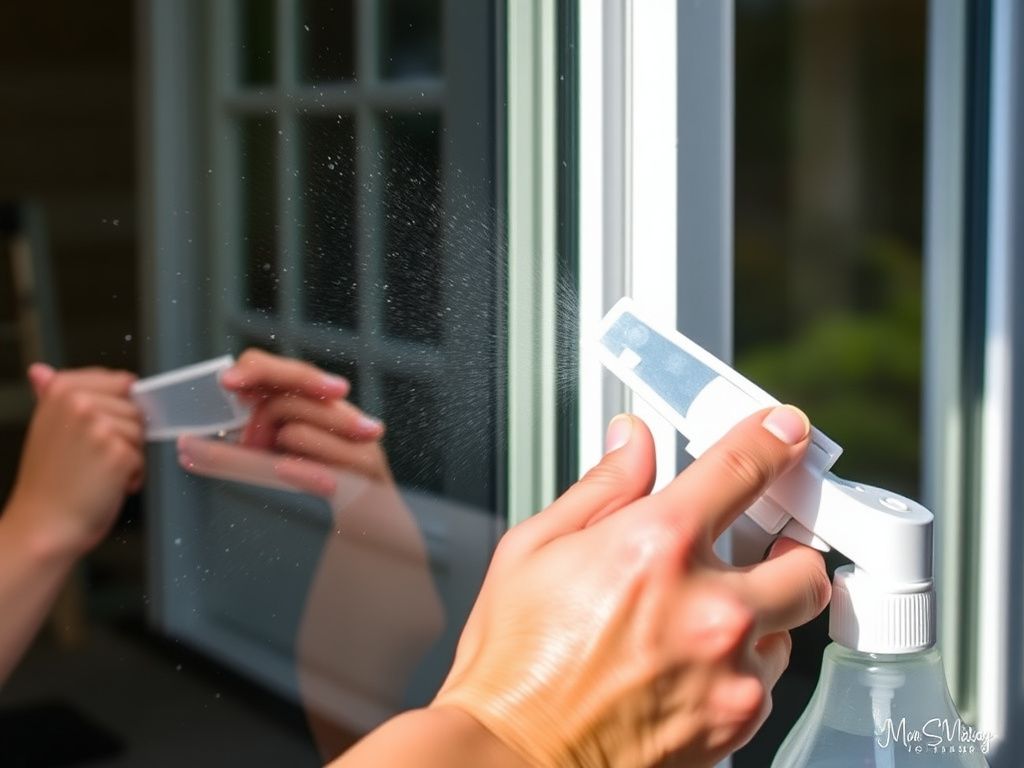
A plastic razor scraper or a fresh single-edge razor blade, used correctly, is the standard method for glass. The technique matters more than the tool: keep the blade at a low, shallow angle almost flat against the glass, spray the area with plain water or a glass cleaner as lubrication first, and pull the blade in a single direction per pass rather than scrubbing back and forth — wiping the blade clean between passes so you're not dragging removed foam (which can carry grit) back across the glass.
Working the blade dry, at a steep angle, or scrubbing back and forth are what turn a routine glass-cleaning task into a scratched windshield. If a razor blade feels risky for a given spot — a pitted or already-chipped area of glass, for instance — a detailing clay bar with water lubrication is a slower but lower-risk alternative that skips the blade entirely.
- Lubricate first with water or glass cleaner — never work a blade dry
- Keep the blade nearly flat against the glass, not at a steep angle
- Single-direction passes, wiping the blade clean between each one
- Clay bar with water lubrication as a blade-free alternative
Softening Stubborn or Older Droplets
Foam that's had more time to cure, or thicker droplets, can resist a straight scrape. A low-heat hair dryer held a few inches back and moved continuously can soften the foam enough to lift more easily with a plastic scraper — avoid concentrated heat on a windshield near the edges, where a sharp temperature swing can add stress to the glass. Acetone, unlike on painted surfaces, is a reasonable option on glass itself, since there's no clear coat to damage — apply it to a cloth rather than pouring it directly onto window seals, trim, or tinting, since it can affect rubber gaskets and tint film even though it's safe for the glass itself.
Once the bulk of the foam is off, any remaining haze or residue usually comes off with a normal glass cleaner or a water-and-vinegar solution and a clean microfiber cloth.
- Low, indirect heat softens cured foam for easier scraping
- Acetone is glass-safe but keep it off rubber seals, trim, and window tint
- Finish with glass cleaner or a water-vinegar rinse to clear any residual haze
Window Tint, Seals, and Frames — Handle Differently
The glass itself is the forgiving part of this job. Window tint film, rubber seals, and painted or vinyl-clad window frames are not glass, and they don't tolerate razor blades or solvents the way bare glass does. Overspray on tinted glass should be treated more like a painted-panel situation — plastic tools and lubrication only, no blades, no acetone — since a blade can lift or cut tint film and solvents can dissolve the adhesive underneath it. Vinyl or painted frames should follow the same caution as our siding removal guidance.
When to Call a Professional
Most window and glass overspray is a reasonable DIY job for a homeowner comfortable using a razor scraper carefully. The situations worth calling a professional for are heavy coverage across many windows, overspray on a windshield you're not confident working near with a blade, or any overspray that's also affecting tinted glass, seals, or trim where the wrong solvent could cause a second problem.
Windows & Glass overspray questions, answered
Not if it's kept flat against the glass, well-lubricated, and moved in a single direction with the blade wiped clean between passes. Scratches usually come from a dry blade, a steep angle, or scrubbing back and forth over trapped grit.
Yes, on bare glass itself — unlike painted surfaces, glass has no clear coat to damage. Keep acetone away from rubber seals, window trim, and any tint film, since it can affect those materials even though it's safe for the glass.
Treat tinted glass more cautiously than bare glass — skip the razor blade and acetone, since both can damage tint film, and use plastic tools with water lubrication instead, similar to how you'd approach a painted surface.
Lubricate first, use a plastic scraper or a fresh blade held nearly flat, and work in single-direction passes. If you're not confident working a blade near a windshield, a water-lubricated clay bar is a slower but lower-risk option.
Get a Free Window & Glass Overspray Quote
Multiple windows affected, or overspray on a windshield or tinted glass you'd rather not risk yourself? Call 844-967-5247 or email josh@contractorschoiceagency.com.