Spray Foam Overspray Removal for Landscaping & Plants
Landscaping is the one overspray category on this site where the standard removal toolkit — scrapers, solvents, pressure washers — mostly doesn't apply. Shrubs, trees, mulch beds, and garden plants are living, and none of the solvents that safely dissolve foam off glass or concrete are things you'd want to apply to leaves, bark, or root zones. That makes speed, not technique, the most important factor here.
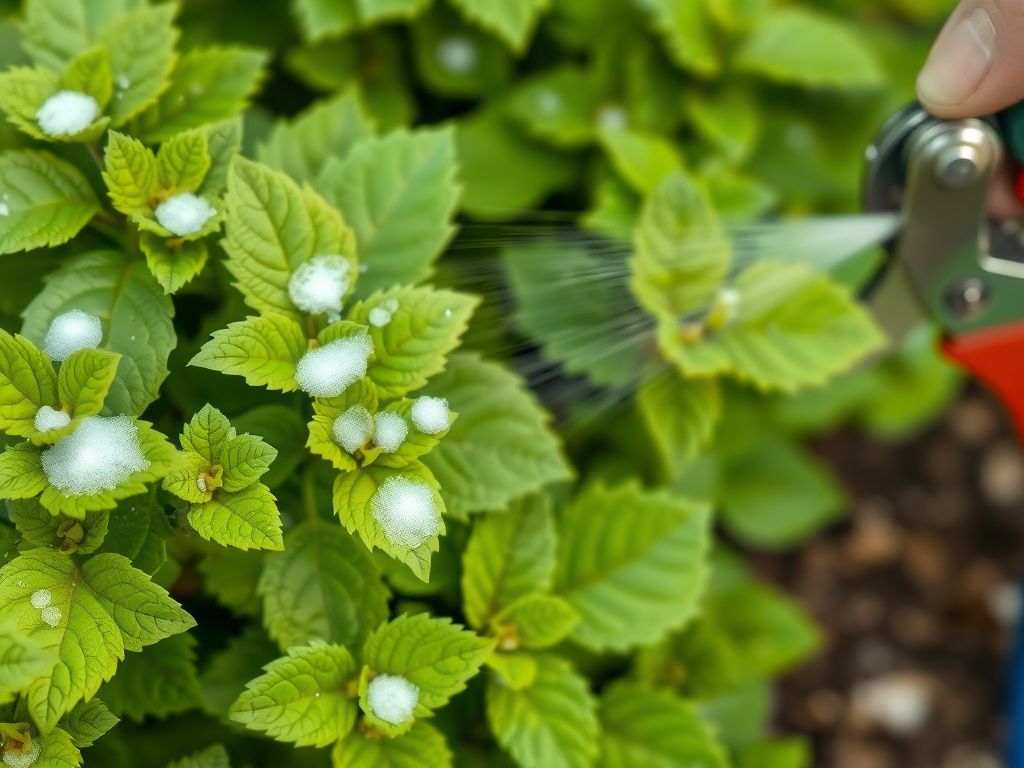
Why Fresh Foam on Plants Is a Race Against Time
Cured, hardened foam bonded onto a leaf or a branch is essentially permanent from that plant's perspective — it doesn't come off without taking the leaf or a section of bark with it. Fresh, uncured foam is a different story: while it's still liquid or tacky, a gentle rinse with a garden hose, or wiping with a damp cloth, can remove a meaningful amount of it before it ever sets, which is why landscaping overspray is the one category where minutes genuinely matter more than for any hard surface on this site.
If you're on-site or notified while spraying is still happening nearby, a quick hose-down of any exposed plants immediately afterward is the single most effective thing you can do — far more effective than any cleanup attempt after the foam has had even 20-30 minutes to fully cure.
- Fresh, uncured foam rinses off with water — cured foam generally doesn't come off intact
- A hose-down immediately after a nearby spray job is the single most effective response
- Once foam has cured on a leaf or branch, removal usually means removing that plant material, not the foam
Once It's Cured: Trim, Don't Scrape
For foam that's already hardened onto foliage, the realistic approach is pruning — clipping off the affected leaves, small branches, or flower heads rather than attempting to peel or dissolve cured foam off living tissue. This sounds more drastic than it usually is in practice: most shrubs and many trees recover well from losing a modest number of affected leaves or a few small branch tips, especially during an active growing season.
Cured foam on woody bark or a trunk is a closer call — a small amount can sometimes be carefully worked off without harming the bark underneath, but heavy coverage on a trunk or major limb is worth a professional or arborist opinion rather than aggressive scraping, which can wound the bark and create an entry point for pests or disease.
- Prune affected leaves and small branch tips rather than trying to remove cured foam from them
- Most plants tolerate losing modest foliage, especially during active growing season
- Heavy foam on a trunk or major limb warrants a professional look before any scraping
Mulch, Soil & Hardscaping Around Plants
Foam on mulch or exposed soil is generally not a plant-health concern once cured — spray polyurethane foam is chemically inert after curing and isn't considered a contamination risk to surrounding soil or root systems. The main issue is cosmetic and physical: cured foam chunks scattered through a mulch bed look bad and can be raked out and disposed of along with any other debris, without special handling.
Foam on garden hardscaping — retaining walls, edging, planters — can generally follow the guidance for whatever material it's made of (concrete, wood, or composite elsewhere on this site) rather than the plant-specific caution that applies to living material.
- Cured foam in mulch or soil is a cosmetic issue, not a plant-health hazard
- Rake out and dispose of cured foam chunks along with normal yard debris
- Planters, edging, and retaining walls follow their material's own removal guidance
When to Call a Professional
Most landscaping overspray is manageable as an immediate hose-down (if you're there when it happens) followed by simple pruning of anything that already cured. The situations worth a professional landscaper or arborist's input are heavy coverage on a mature or high-value tree, foam on a trunk or major structural limb, or any case where you're unsure whether pruning the affected growth will meaningfully harm the plant's health or shape long-term.
Landscaping & Plants overspray questions, answered
No — cured spray polyurethane foam is chemically inert and isn't considered a toxicity risk to surrounding plants, soil, or root systems. The problem it causes is physical (smothering or coating foliage), not chemical contamination.
Generally no, not once it's fully hardened — cured foam bonds too firmly to rinse or wipe off leaves and bark without damaging the plant tissue underneath. Water rinsing only works well while the foam is still fresh and uncured.
Usually not significantly — most shrubs and many trees tolerate losing a modest number of affected leaves or small branch tips, especially during the growing season. Heavier coverage on major limbs or a trunk is worth a professional opinion first.
If it's safe to do so, a garden hose rinse on any exposed foliage immediately can remove a meaningful amount of fresh, uncured foam before it sets — this is far more effective than any cleanup attempt after the foam has had time to fully cure.
Get Landscaping Overspray Guidance
Tell us what's affected and how long ago it happened, and we'll help you figure out the right next step for your plants and yard. Call 844-967-5247 or email josh@contractorschoiceagency.com.